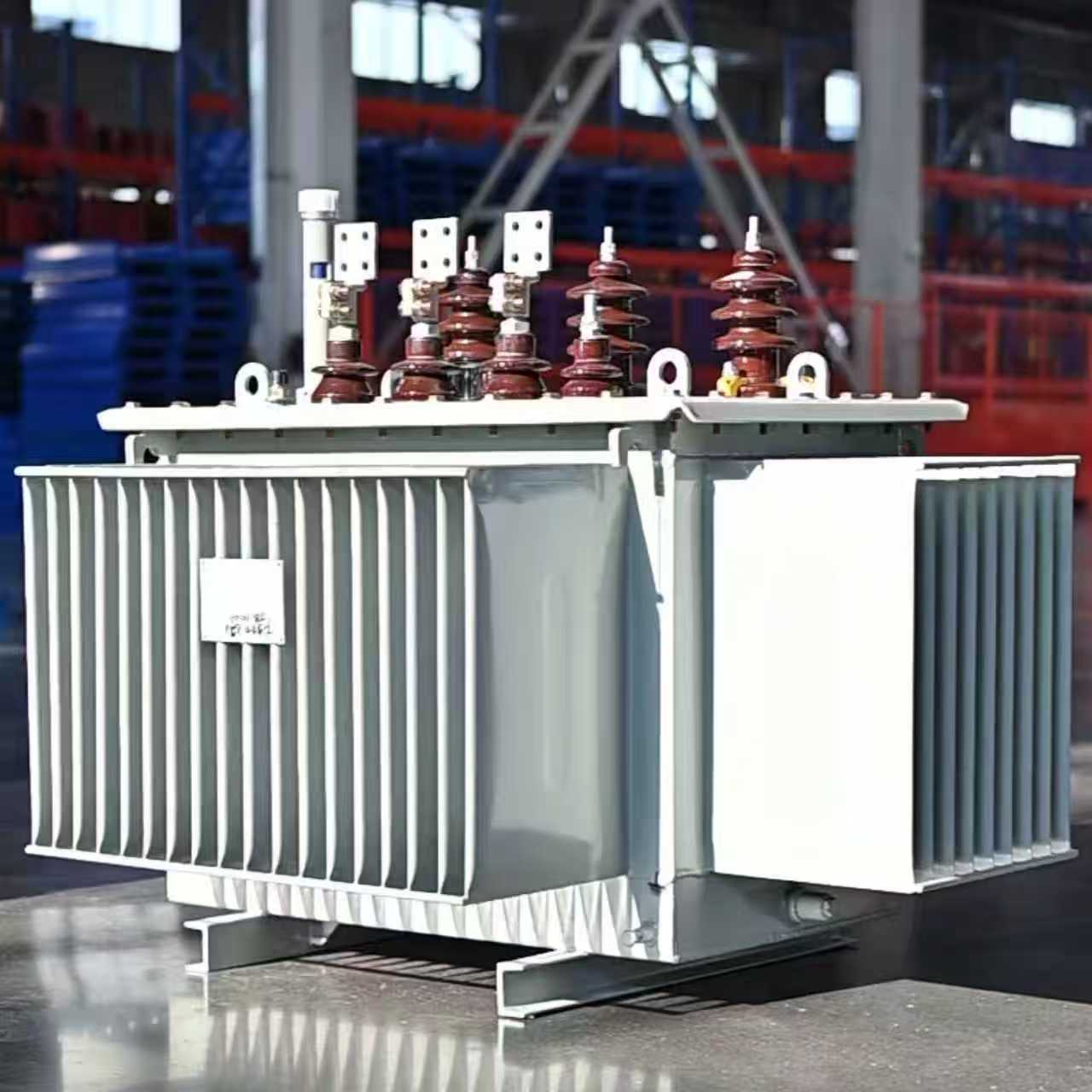
In the interconnected modern power system, various power equipment functions collaboratively, forming a complete system for power transmission, conversion, and regulation, providing a solid guarantee for power consumption scenarios across various industries. Among them, the Oil Immersed Transformer, as the core equipment for power grid operation, can be considered the power system's "heart," undertaking the core functions of power conversion and voltage regulation, and is an indispensable key carrier in the power transmission chain.
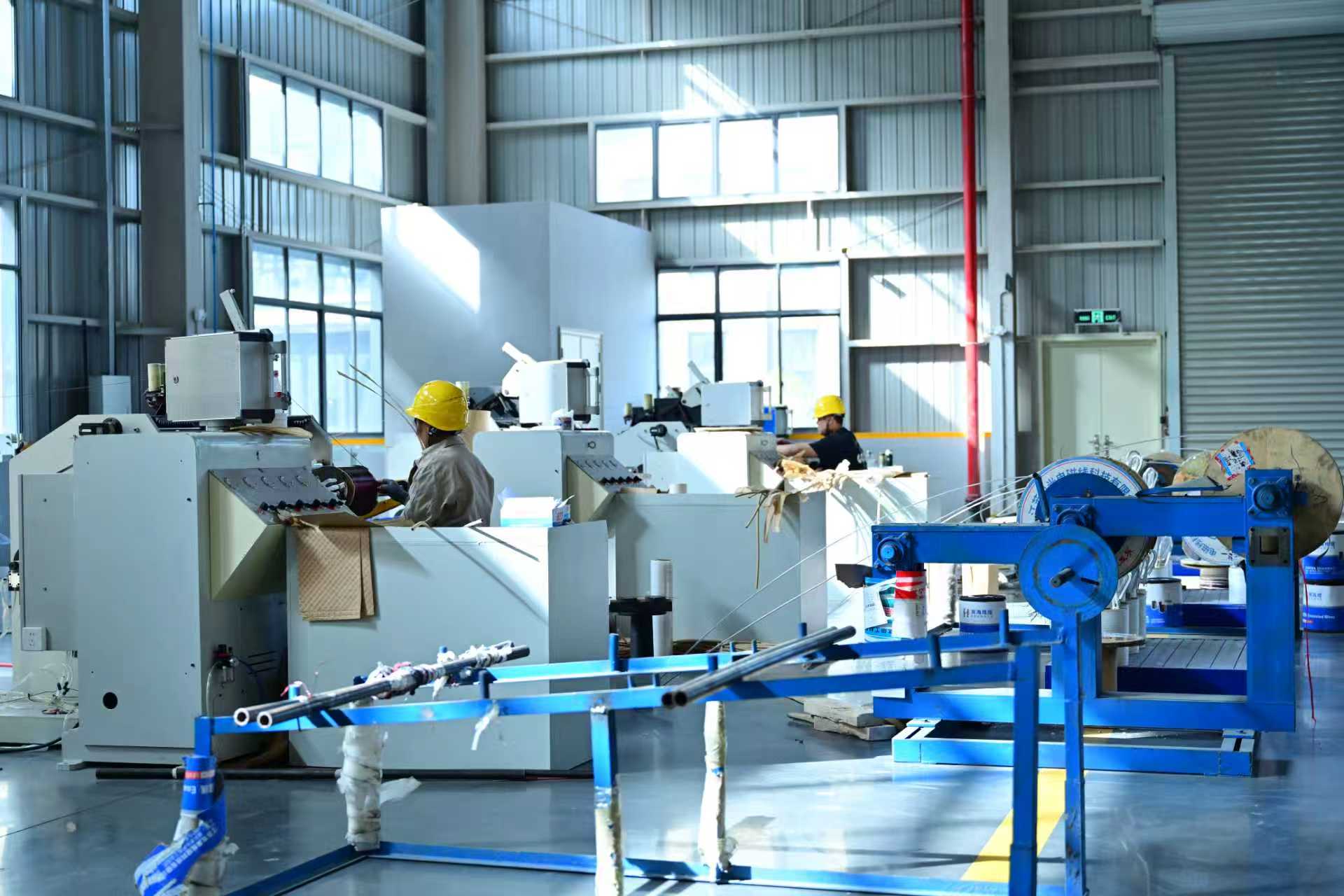
The long-term stable operation of equipment is never the achievement of a single component, but rather the result of the precise coordination of the entire system. The Oil Immersed Transformer's long-term safe and efficient operation relies not only on the precise design of its core structure such as the iron core and windings, but also on the collaborative empowerment of various surrounding supporting components. These components undertake different functions such as protection, monitoring, and regulation, acting as the equipment's protective armor and intelligent central hub, comprehensively ensuring the transformer's stable operation, effectively avoiding operational failures, and extending the equipment's service life.
The power system equipment system boasts strong compatibility and completeness. Besides the core Oil-Immersed Transformer, the Dry-Type Transformer, with its excellent safety performance, is adaptable to various indoor and special power consumption scenarios. Box-Type Substations are highly integrated and flexible in layout, adapting to diverse power grid deployment needs and facilitating modular and lightweight power grid construction. Meanwhile, High and Low Voltage Switchgear plays a crucial role in circuit switching and power protection, serving as key equipment for controlling power grid operation safety and regulating power transmission order.
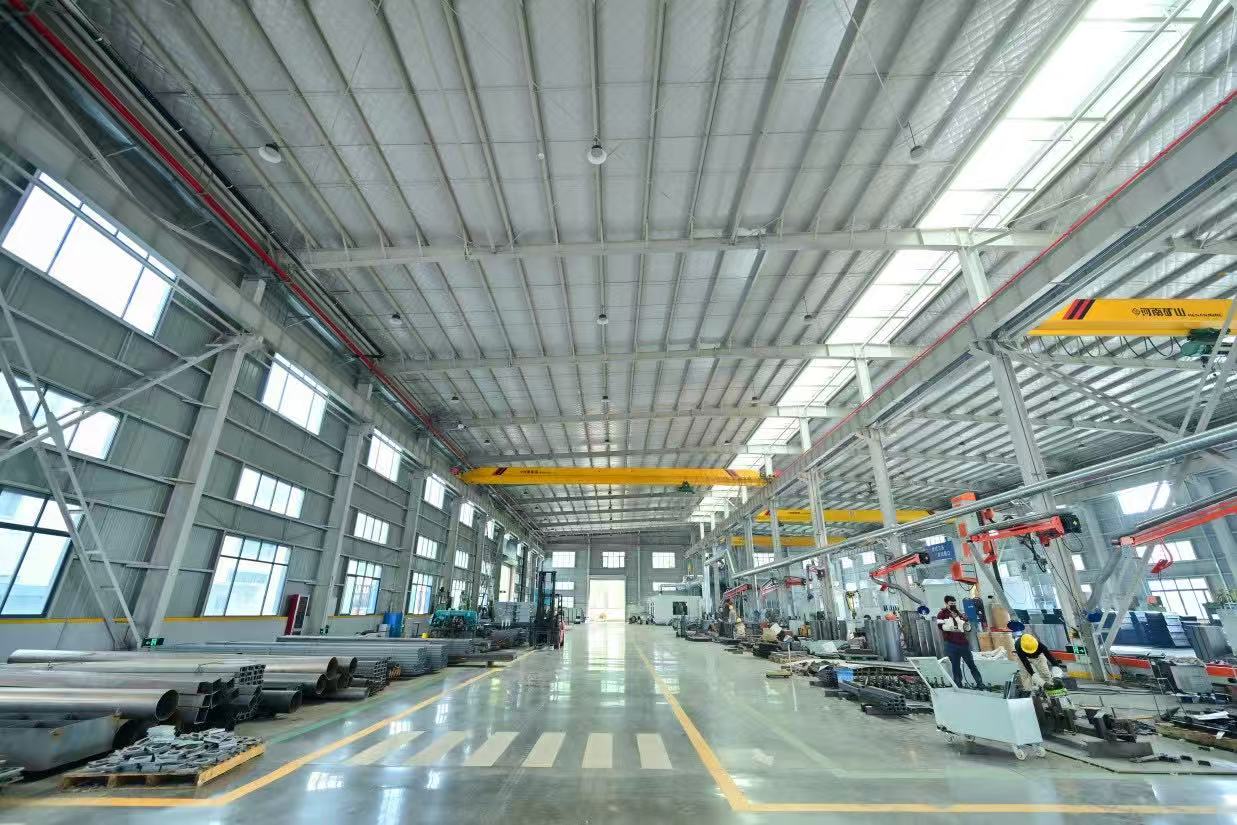
These various power devices have clearly defined functions and complement each other, forming a complete power operation guarantee system from power conversion and substation integration to high and low voltage distribution management. A deep understanding of the core structure and supporting logic of power equipment, and a thorough grasp of the operating principles of various devices, are crucial for solidifying the stability of power system operation and improving the quality of power grid operation and maintenance, laying a solid foundation for the safe and reliable operation of the power network.