
In the power grid operation system, transformer power loss is a core factor affecting the grid's energy consumption level, and transformer energy efficiency is a key lever for improving grid quality and efficiency, reducing costs and energy consumption. For a long time, the industry has focused on the operating performance of transformers under full-load conditions, neglecting the differentiated loss characteristics throughout the equipment's life cycle. Industry engineering research indicates that transformer iron loss and transformer copper loss, as the two core loss types of transformers, have drastically different operating patterns, respectively dominating energy consumption under no-load and load conditions. Accurately controlling the characteristics of these two types is crucial for achieving distribution transformer loss optimization and grid transformer energy waste reduction.
No-load Condition: Transformer no-load loss constitutes a continuous fundamental loss.
Under no-load operation with the transformer connected to the grid and the secondary winding open, the coil current is almost negligible, and the loss caused by coil resistance is essentially negligible. This makes transformer no-load loss essentially equivalent to transformer iron loss. Iron loss, a continuous loss generated during the magnetization process of the iron core, is determined by inherent parameters such as the core material and manufacturing process, and is unrelated to the equipment load state.
As long as the transformer is connected to the grid and operating at a stable voltage, iron loss will exist continuously around the clock, representing a fixed and fundamental loss during equipment operation. This continuous loss characteristic makes no-load iron loss a hidden energy consumption burden on the power grid. A large number of power distribution devices that are in a standby, no-load state for extended periods will accumulate significant energy consumption over time, forming an indispensable component of transformer lifecycle energy consumption.
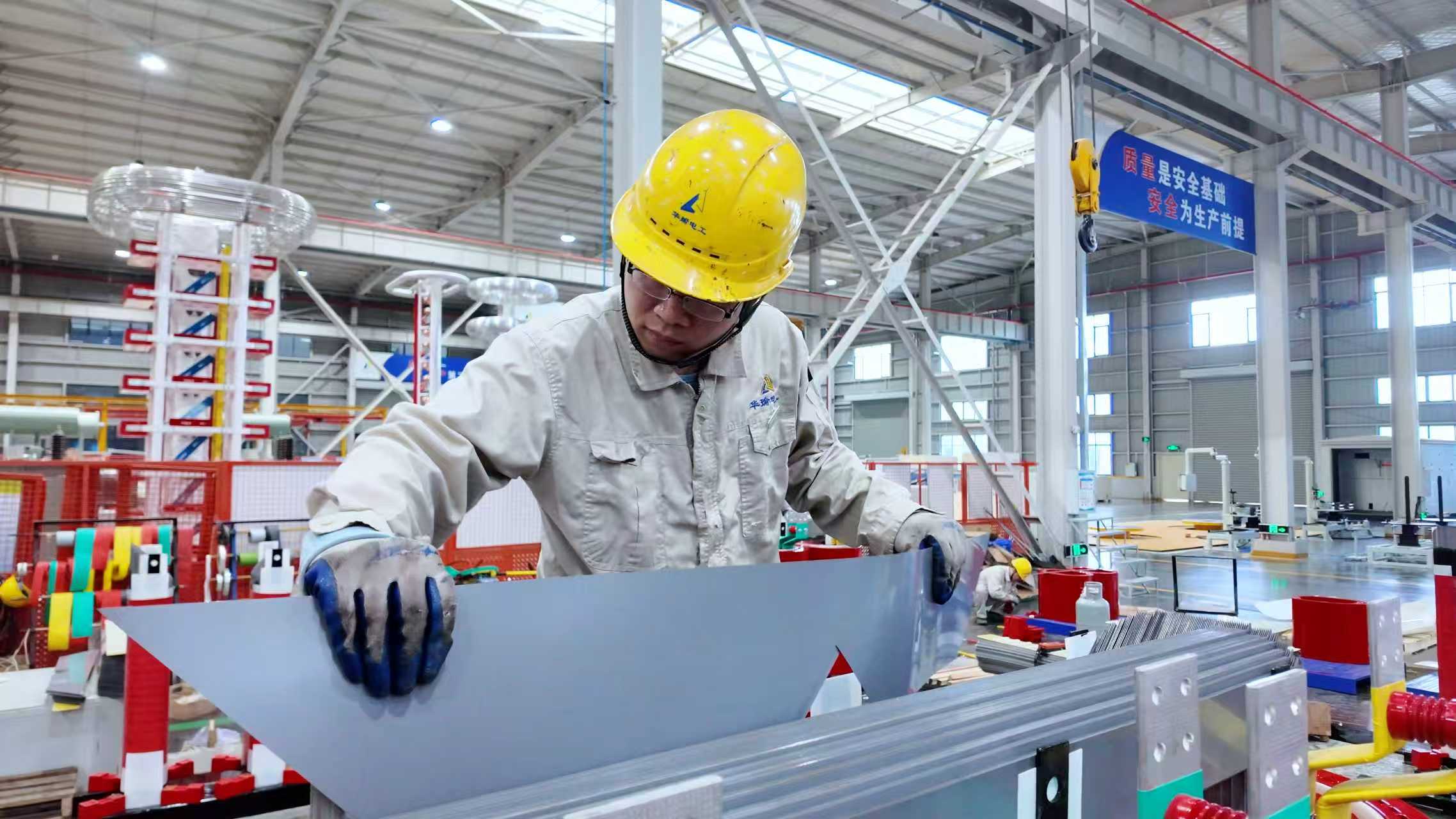
Load Conditions: Transformer Load Loss Becomes the Core of Dynamic Loss
When a load is connected to the transformer and the coils generate operating current, transformer copper loss becomes the main variable in equipment energy consumption. Unlike the fixed iron loss, copper loss is generated by the winding resistance and fluctuates dynamically with changes in load current. Changes in load conditions directly alter the overall loss structure of the transformer.
During peak grid load periods, the equipment load rate is high, and copper loss increases significantly, becoming the dominant component of transformer energy consumption. Therefore, controlling copper loss is crucial for energy conservation and consumption reduction at this time. During periods of low electricity demand, light equipment load, or standby, copper losses decrease rapidly, while iron losses regain their dominant position. This dynamic pattern is a crucial basis for optimizing industrial transformer load performance and implementing energy-saving scheduling.
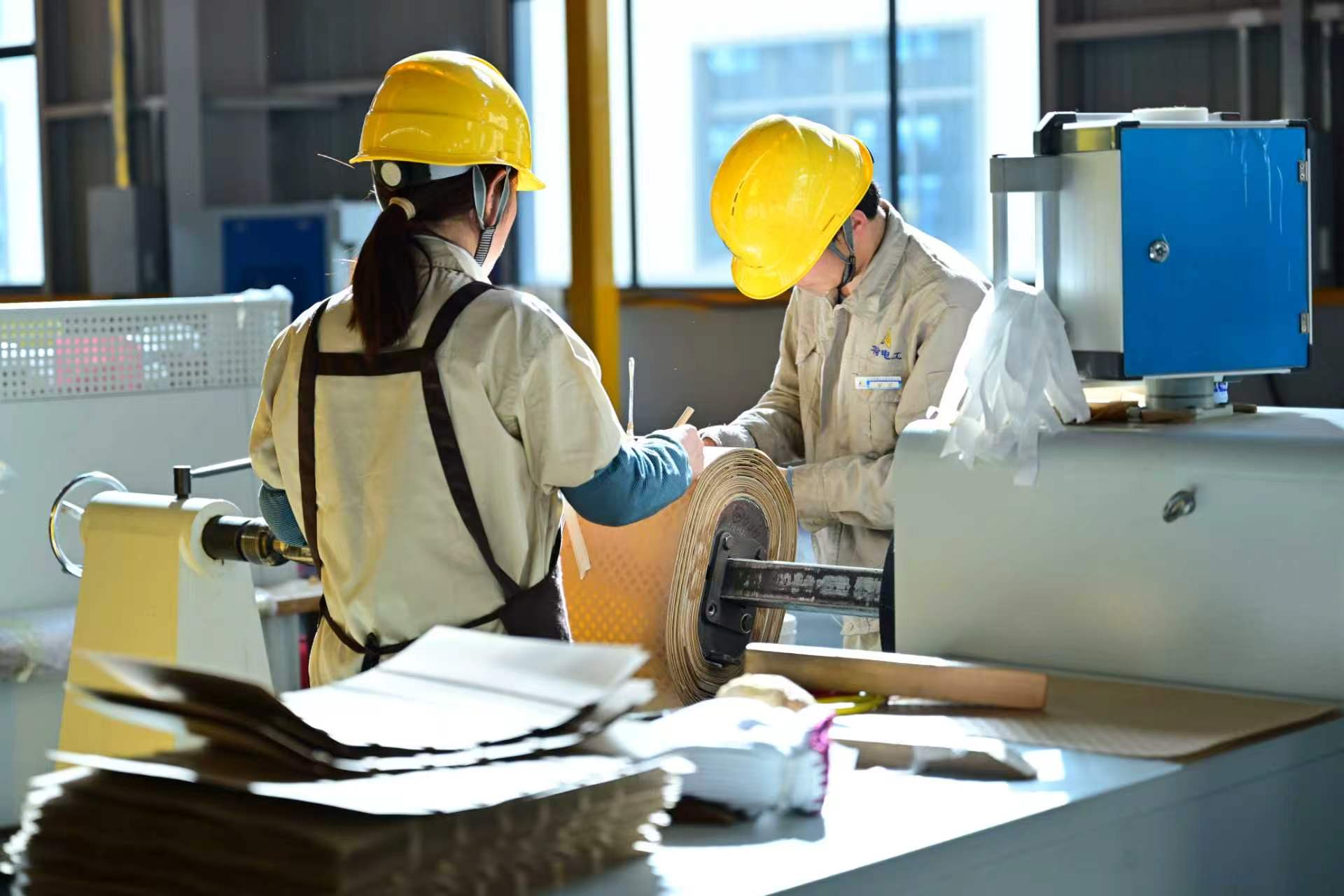
Loss Coupling Law: Determining the Optimal Operating Condition of a Transformer
The overall operating loss of a transformer is the superposition of iron and copper losses. These two types of losses, one static and one dynamic, are coupled to form a unique energy efficiency curve for the equipment, corresponding to the optimal load range with the lowest overall energy consumption. Engineering practice shows that when the transformer load rate is within a reasonable range, the ratio of iron and copper losses is balanced, and the overall energy efficiency of the equipment reaches its best state.
If the load rate is too low, the proportion of fixed iron losses is too high, and the energy efficiency of the equipment under light load decreases significantly. If the load rate is too high, copper losses will surge rapidly, leading to a continuous decline in the economic efficiency of equipment operation. Therefore, simply pursuing low losses under full load conditions is insufficient to adapt to the complex actual operating scenarios of the power grid; a loss optimization scheme must be matched with the long-term operating conditions of the equipment.
Engineering Applications: On-Demand Selection and Optimization for Long-Term Energy Saving
The fundamental difference between iron loss and copper loss provides a core basis for the formulation of transformer procurement loss standards and differentiated equipment selection and design. For power distribution scenarios with numerous long-term light loads and frequent standby times, the industry widely adopts new iron-core equipment. By optimizing the iron core material and process, no-load iron loss is significantly reduced, adapting to the energy-saving requirements of power distribution scenarios.
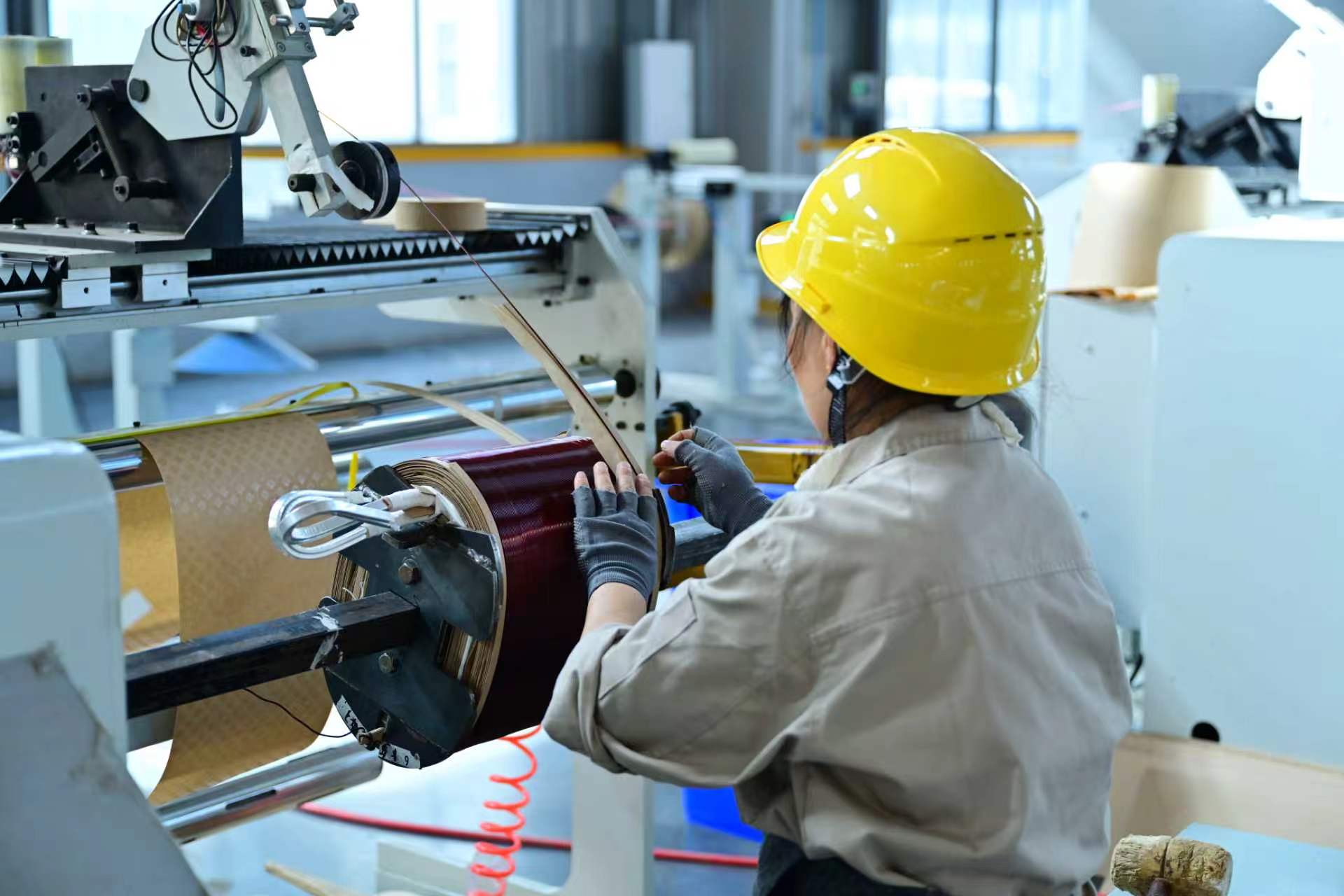
For high-load, continuous operation scenarios such as industrial plants, equipment R&D and manufacturing focus on optimizing winding structure and reducing winding resistance, effectively suppressing the surge in copper loss under high load conditions, and ensuring the long-term efficient operation of industrial transformers.
Industry experts state that the core of power transformer energy saving lies in adaptability optimization; there is no universal high-efficiency transformer suitable for all operating conditions. Only by combining the actual operating load characteristics of the equipment and balancing the optimized ratio of iron loss and copper loss can the transformer maintain stable energy efficiency throughout its entire life cycle, reducing long-term energy waste in the power grid from the source and contributing to the energy-saving and efficiency-enhancing upgrade of the power system.