
In recent years, the global energy structure has been undergoing profound transformation, with clean and low-carbon energy becoming the core direction of the power industry’s upgrade. Wind power, photovoltaic power generation, distributed energy storage and other emerging new energy projects are being rolled out on a large scale across various regions. Driven by the continuous investment and construction of these new energy projects, the market demand for special power transmission and distribution transformers matching new energy stations has maintained a steady upward trend, creating a solid market foundation for the development of supporting power equipment industries.
Different from conventional thermal power generation, new energy power generation is highly dependent on natural environmental conditions. Wind speed, solar irradiation, seasonal climate changes and other factors lead to obvious output volatility and intermittency in wind and photovoltaic power generation. In addition, most new energy power stations are built in remote and complex outdoor areas, including mountainous regions, coastal tidal zones and arid desert areas. Such harsh operating environments put forward stricter and more comprehensive technical standards for supporting power equipment. Transformers for new energy scenarios need to possess excellent weather resistance to cope with extreme high and low temperatures, strong overload capacity to adapt to fluctuating power output, and outstanding anti-corrosion performance to resist coastal salt fog, desert sand erosion and mountain humid oxidation, far exceeding the performance requirements of traditional grid equipment.
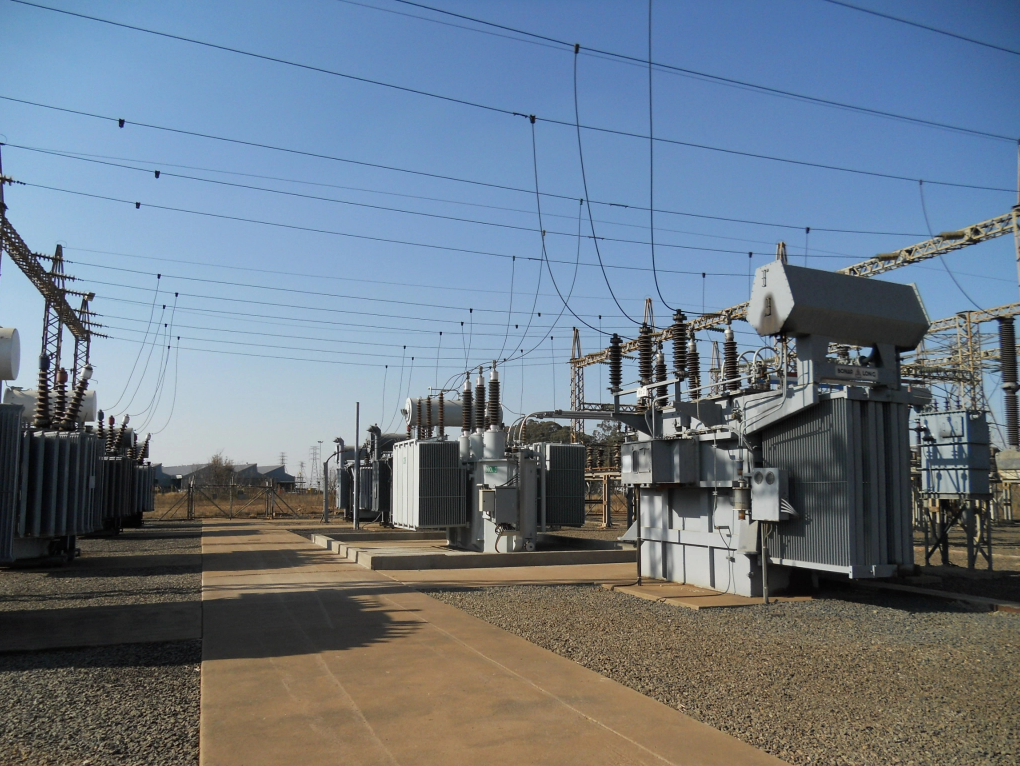
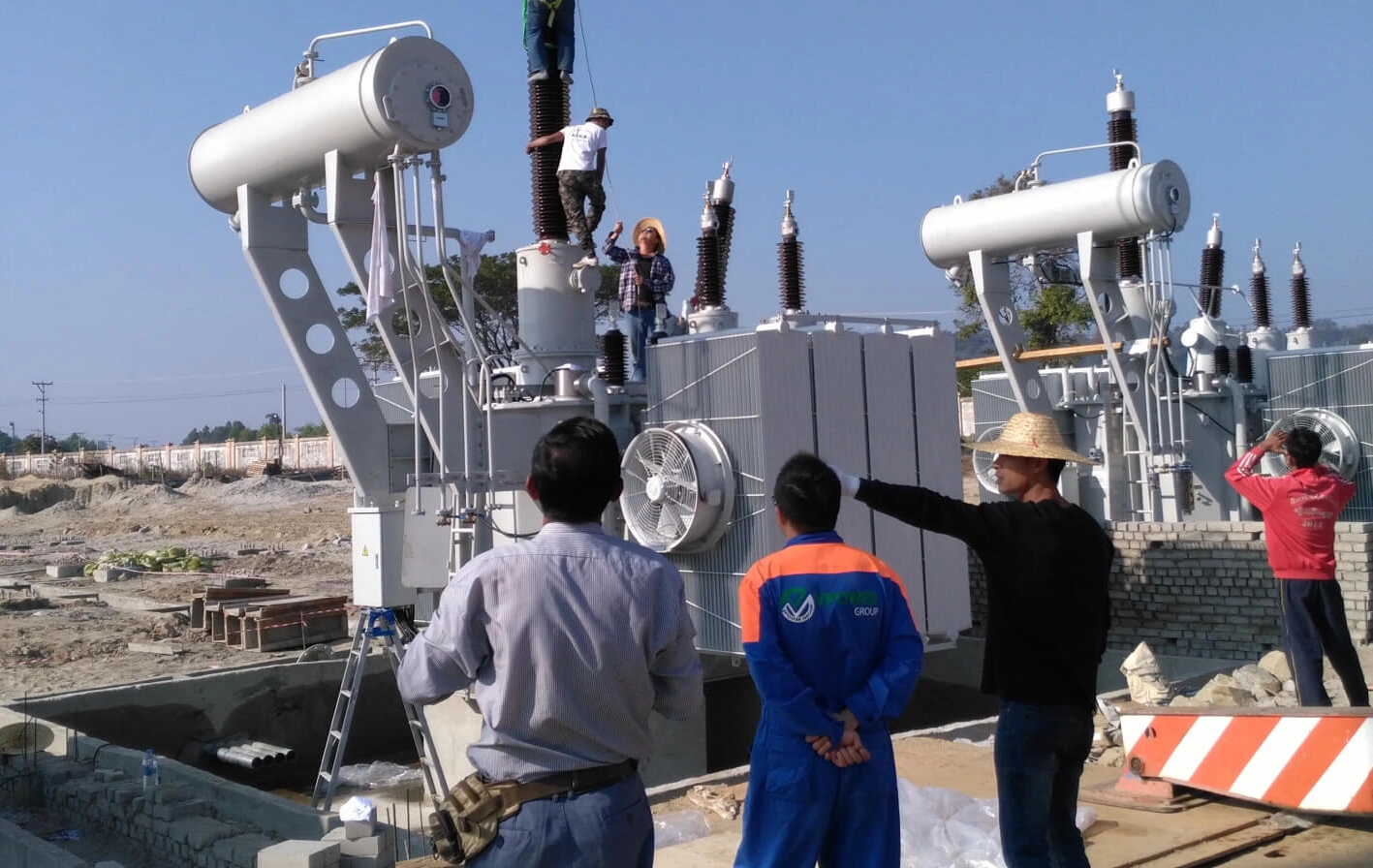
Facing the differentiated demands of new energy application scenarios, domestic power equipment manufacturing enterprises have actively carried out product upgrading and iterative optimization. Combined with the actual operating conditions of new energy stations, enterprises have adjusted and upgraded the overall product design, focusing on strengthening anti-corrosion, moisture-proof, cold and heat resistance treatments for equipment shells and internal structural components. These targeted improvements enable the special transformers to operate stably for a long time in complex and changeable outdoor environments, effectively reducing equipment failure rates and later maintenance costs.
In terms of market operation, centralized packaged procurement has become the mainstream purchasing mode for large-scale new energy projects. This standardized procurement method not only simplifies the project construction process, but also brings continuous and stable bulk orders for professional power equipment manufacturers, effectively supporting the steady growth of corporate operating income. Meanwhile, the domestic new energy consumption system is constantly being improved, and the coupled development of energy storage equipment and new energy power stations has become a universal industrial application mode. This industrial change further expands the application scenarios and market demand space for power transformation equipment, extending the industrial demand chain continuously.
Compared with traditional power grid projects dominated by policy planning, the new energy industry features a higher level of marketization and more intense market competition. Product technology updates and iteration speeds are much faster, putting forward higher requirements on enterprises’ independent research and development capabilities and market response speed. Enterprises that take the lead in laying out new energy supporting equipment research and development, mastering core manufacturing technologies and accumulating rich scenario application experience can quickly occupy a favorable market position. By optimizing their business structure and focusing on the long-term growth track of the new energy industry, these leading enterprises are able to maintain continuous and stable order growth and gain sustainable competitive advantages in the industry.