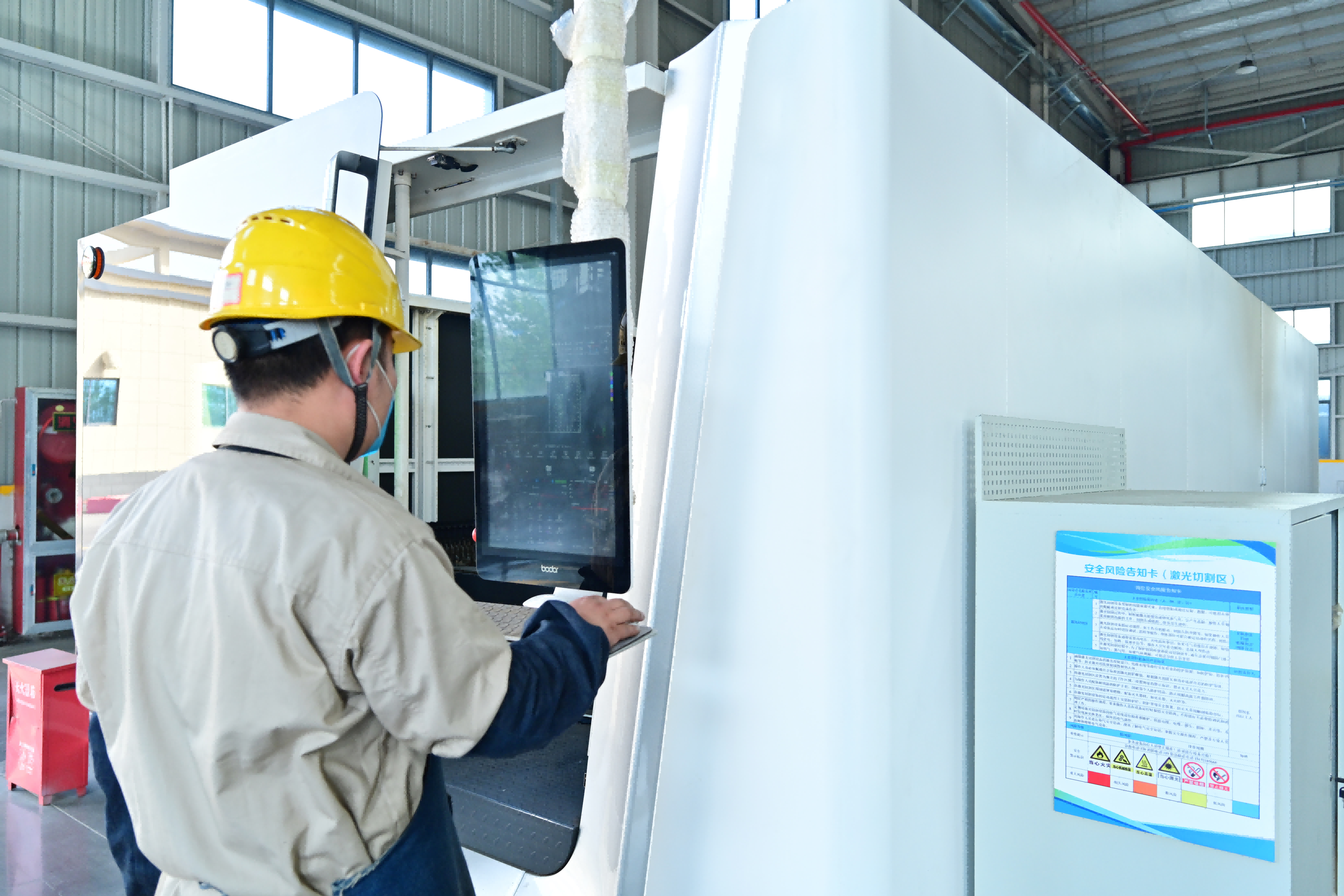
Transformer manufacturing is a core segment of traditional electrical equipment heavy industry, which has long depended on manual work for most production links in the past. The whole production flow covers winding, lamination, assembly, inspection and other multiple procedures, most of which were completed by skilled workers manually. The traditional production mode features complicated and fragmented processes, relying heavily on workers’ operational experience. This not only led to slow production speed and low overall operational efficiency, but also made it hard to standardize every production step. In recent years, with the continuous upgrading of industrial manufacturing technology and the popularization of digital industrial reform, the entire transformer manufacturing industry has ushered in a comprehensive wave of digital and intelligent upgrading.

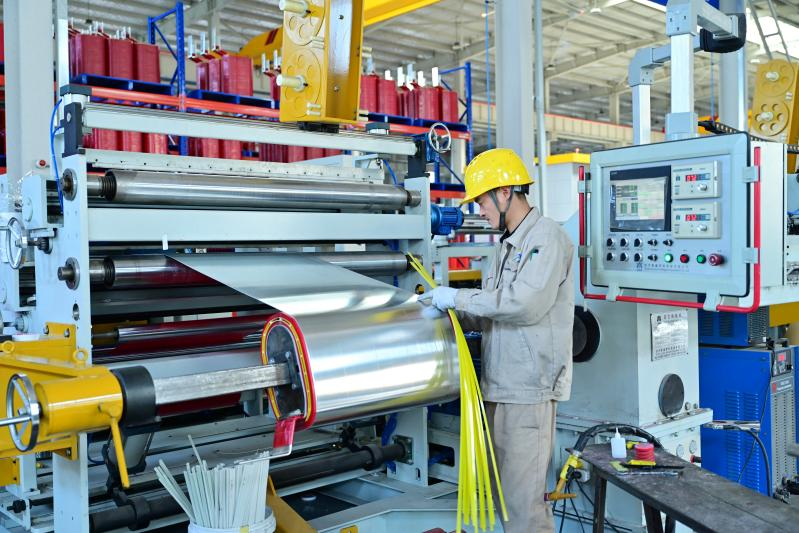
A large number of mainstream manufacturing enterprises in the industry have phased out backward manual production methods, and gradually introduced high-precision automatic winding machines, fully intelligent sheet stacking equipment, as well as online real-time intelligent inspection systems. Through the introduction of new equipment and new technologies, enterprises have thoroughly optimized and restructured the original backward production process, realizing the overall upgrading and modernization transformation of old-fashioned production workshops.
After the popularization and application of the new digital management mode, the scattered production links of the factory have been effectively integrated. Production scheduling, raw material allocation, semi-finished product processing and finished product quality inspection are uniformly managed and centrally controlled through digital systems. This mode fundamentally avoids frequent operational errors and unstable quality problems caused by manual subjective judgment and operational negligence in traditional production.
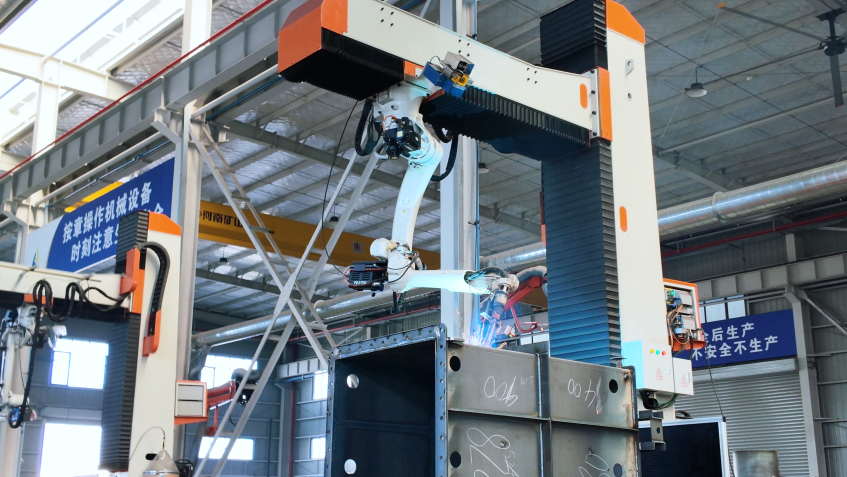
It ensures that the quality, performance and specifications of transformer products in different production batches can remain stable and consistent. Meanwhile, intelligent automated equipment takes over a large number of repetitive, high-intensity and mechanized manual operations in the production process. This change greatly relieves the operational pressure brought by the long-term labor shortage in the manufacturing industry. Even in the peak sales season with a sharp surge of customer orders, enterprises can still arrange production in an orderly manner and accurately control product delivery cycles, effectively avoiding order delays and customer loss.
In addition, many leading transformer manufacturing enterprises have independently built and improved dedicated digital production management platforms. The platforms can track and display the real-time operating status of each production line equipment, daily energy consumption data of the workshop, and the progress of each order production in real time. Based on accurate data feedback, enterprises can carry out scientific and refined production management, timely adjust production arrangements, and optimize energy allocation. As a typical traditional heavy industry, the intelligent transformation of the transformer industry started later than that of emerging manufacturing industries.
However, thanks to continuous technological investment and iterative upgrading of production lines, the transformation has achieved extremely prominent practical results. The continuous optimization and upgrading of production lines have not only greatly lifted the upper limit of the overall production capacity of enterprises, but also effectively reduced labor costs, material waste and energy consumption, cutting down the comprehensive production cost in an all-round way. Ultimately, the industrial intelligent upgrading has significantly improved enterprises’ ability to cope with market fluctuations and operational risks, and comprehensively strengthened their core competitiveness in the fierce market competition.