

Entering the second quarter of 2026, the global energy infrastructure construction continues to advance steadily, and the construction pace of power transmission and transformation projects both at home and abroad has continued to accelerate. Driven by booming market demands at home and overseas, major transformer production plants across the country have maintained robust operating conditions with sustained high production enthusiasm.
According to the latest foreign trade statistics and market tracking data, the overseas market inquiry volume for mainstream transformer products has shown a continuous upward trend. Among them, distribution transformers, oil-immersed power transformers, and box-type transformer equipment, which are widely used in power grid construction and industrial power supply, have witnessed notable growth in overseas demands. Specifically, the order increments emerging from emerging markets including Southeast Asia, Central Asia, Africa, and Latin America are particularly significant, becoming the core growth engine of China’s transformer foreign trade business.
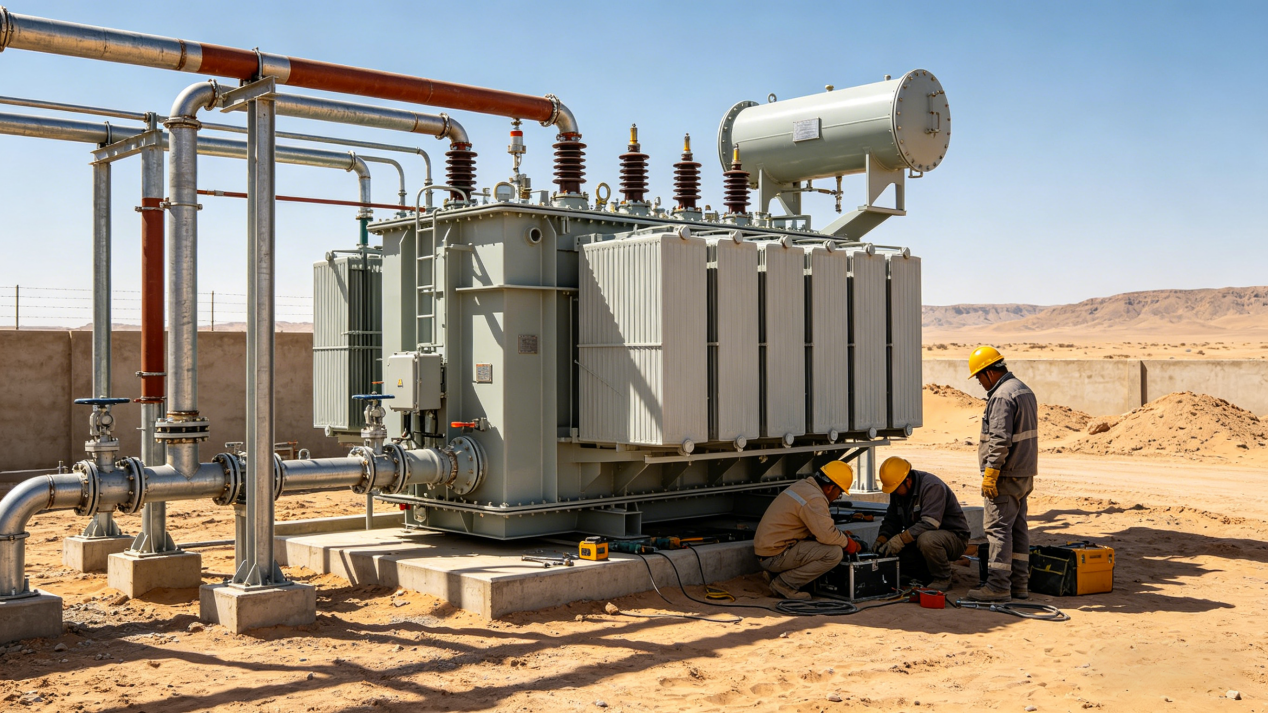
Faced with the surging overseas order volume, a large number of enterprises focusing on transformer foreign trade business are operating at full capacity. Most manufacturers have adjusted their production schedules accordingly and postponed their batch production plans to the second half of the year to cope with sufficient order reserves. Production workshops have long adhered to a stable two-shift operation mode to maximize production efficiency and ensure timely product delivery. In terms of comprehensive market competitiveness, domestic transformer manufacturers boast outstanding industrial chain advantages compared with local manufacturing factories in overseas regions.
The domestic industry has formed a complete and mature supporting system, covering core raw materials such as silicon steel sheets and copper materials, as well as auxiliary insulation materials and various structural components. All supporting materials can be procured locally and nearby, which greatly shortens the overall production and delivery cycle. Meanwhile, the complete industrial matching system also helps enterprises optimize cost management, presenting remarkable overall cost control advantages.
In addition, many developing countries are currently pushing forward the upgrading and renovation of outdated old power grids and the large-scale expansion of industrial park supporting facilities. The rapid development of global new energy industry also generates massive grid connection demands for photovoltaic and wind power stations. These multiple market demands jointly stimulate the market demand for conventional type transformers, consolidating the foundation of overseas market growth.
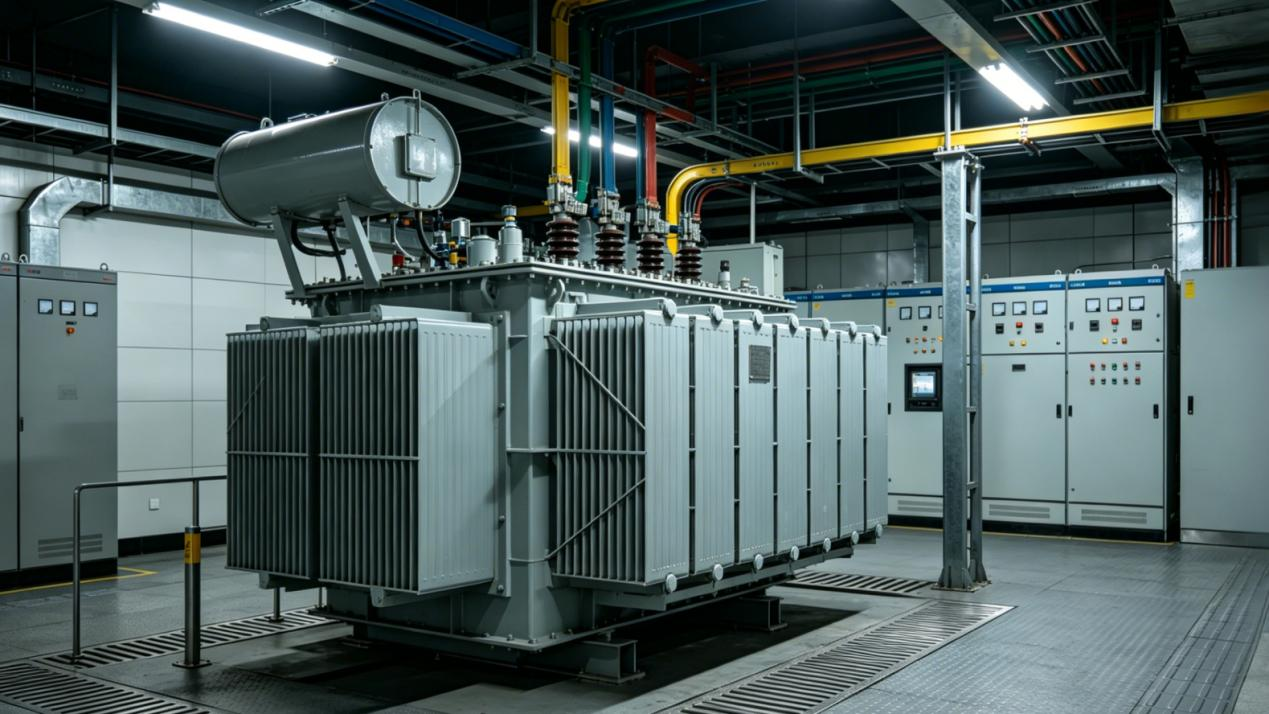
Industry insiders generally hold the view that such rigid overseas market demand will not decline rapidly in the short term. Relying on reliable production capacity and mature technological craftsmanship, domestic manufacturing enterprises will steadily consolidate their overseas market share. Moving forward, high-efficiency and energy-saving transformer products will gradually replace traditional products and become the mainstream choice for China’s foreign trade exports.