
In recent years, the implementation of various local policies for energy conservation and carbon reduction has been steadily and comprehensively carried out across the country, covering all links of power production, transmission and distribution. Focusing on the key energy-consuming fields in the power industry, local governments have continued to promote special rectification and green renovation work. In the core industrial sector and urban and rural power grid operation and maintenance links, the elimination and replacement of outdated, aging and high-energy-consuming equipment have been accelerated simultaneously as scheduled. Among them, the green upgrading and iterative renovation of power transformers, as key basic equipment of power grids, has continued to advance in an orderly manner.
A large number of early-produced transformers that have been put into operation for a long time generally have low energy efficiency standards and prominent technical backwardness. Such equipment has high no-load and load operating losses during daily operation, and long-term continuous service will not only greatly increase the overall operation energy consumption and safety operation pressure of urban and rural power grids, but also significantly raise the long-term electricity cost and operation burden for industrial and commercial enterprises and public institutions. With the continuous advancement of energy-saving and low-carbon renovation work in various industries, the market demand for the replacement and performance upgrading of old transformers has continued to emerge and maintain a steady growth state.
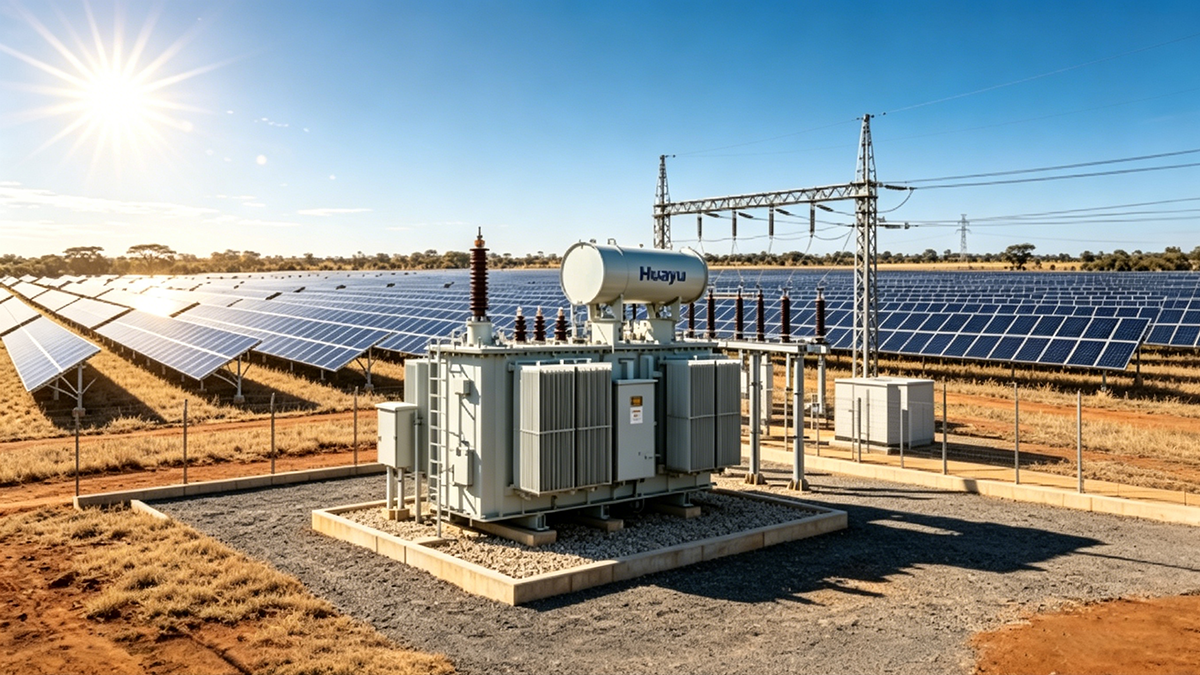
In the centralized public bidding and procurement projects of national and local power grids, the access proportion of first-level energy efficiency and ultra-low loss transformers has continued to increase year by year. Meanwhile, the industry procurement access standards and technical indicators have been continuously tightened and optimized, forming a strict market access threshold. This effective policy mechanism fundamentally limits the circulation and application of backward, high-loss and inefficient transformer products in the power grid market from the source. Facing the dual changes of policy constraints and market rules, domestic transformer manufacturers have actively adjusted their production layout and product structure, gradually reduced and withdrawn investment in low-end backward production capacity, and concentrated core technology, production and market resources on the mass production and iterative optimization of energy-saving new products, so as to accurately adapt to national policy guidance and continuous changes in terminal market demand.
At the technical level, the wide popularization and application of natural ester insulating oil and new high-performance composite insulating materials in the industry has further optimized the comprehensive performance of energy-saving transformers. These new materials effectively enhance the environmental friendliness, safety and long-term operational stability of transformer equipment, enabling the products to adapt to complex and diverse application scenarios including urban core distribution substations, rural power grid stations and outdoor industrial power stations. Driven by the combined effect of top-down policy guidance and bottom-up autonomous cost reduction demands of the market, the replacement and renovation of traditional old power equipment has gained sufficient development space.
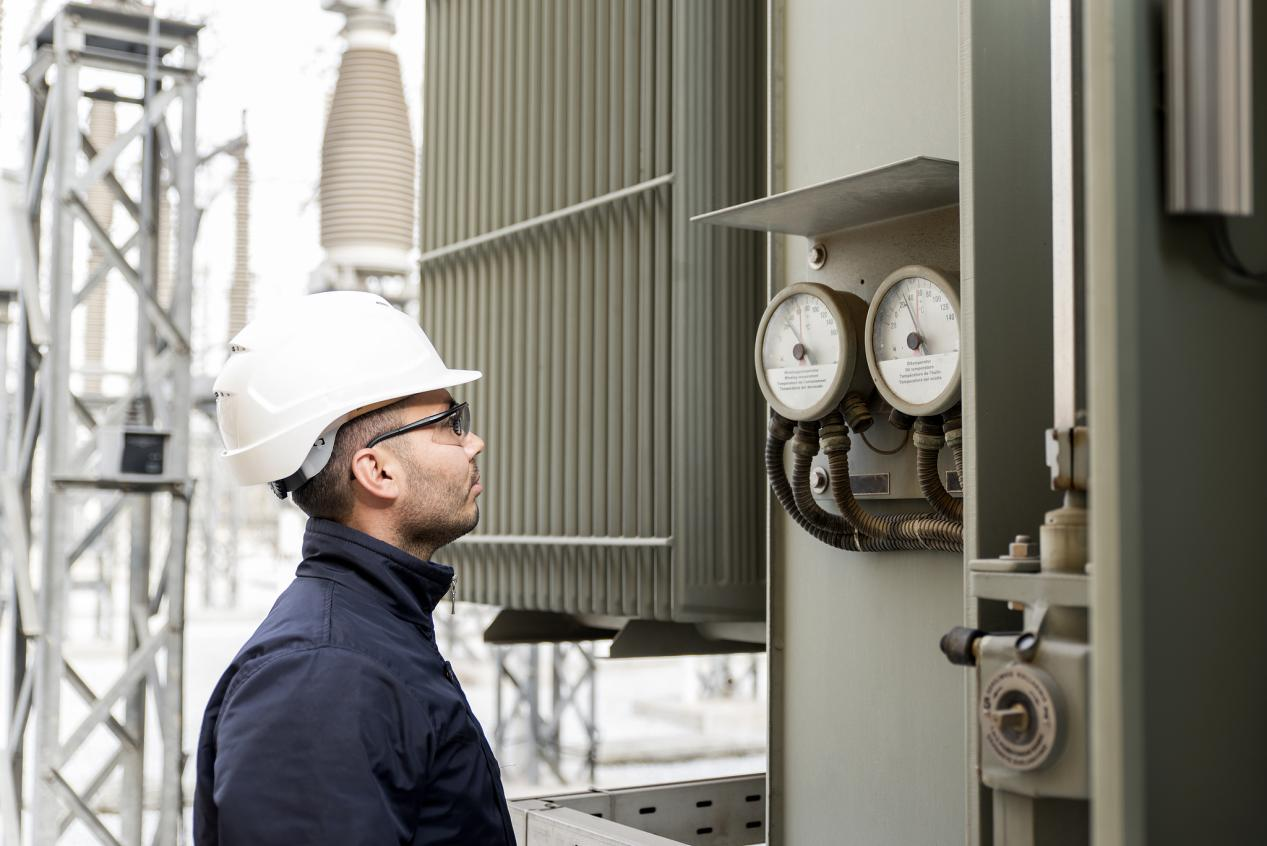
At present, the entire power transmission and transformation industry is in a critical period of comprehensive transition towards low-carbonization, energy conservation and high efficiency. In the long run, high-efficiency and energy-saving transformer equipment will continue to maintain a stable and sustained market growth trend.